

The Seedsun selection
Kerria japonica 'Alba'
SKU: KERR-JAPO-ALBA-01G
Kerria is a monotypic genus, a single species that stands alone in the rose family (Rosaceae), native to the mountain woodlands of China and Japan. The old-fashioned kerria has bright green, arching stems and toothed leaves, and in spring the branches light up with flowers that in the common double.
Ask for a tailored quote
Pricing, pack sizes and availability are confirmed in your personal quotation. Sending an enquiry does not place a paid order.
Ask about suitability, sowing and growing requirements.
Confirm delivery options and required documents in your quote.
About this variety
Kerria is a monotypic genus, a single species that stands alone in the rose family (Rosaceae), native to the mountain woodlands of China and Japan. The old-fashioned kerria has bright green, arching stems and toothed leaves, and in spring the branches light up with flowers that in the common double form look like tiny golden roses. The genus honors William Kerr, the Kew plant hunter who sent the double-flowered form back to England from Canton in the early 1800s, and in Japan the plant is beloved as yamabuki, a name woven through centuries of poetry celebrating that spring yellow.
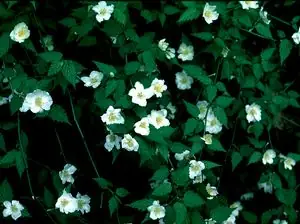
'Alba' is the uncommon single-flowered form, opening soft creamy white rather than the usual gold, a quiet and refreshing alternative that reads beautifully in the low light of a shaded border. The five-petaled flowers show the plain, open face of a wild rose relative, carried along the green canes in spring against fresh, bright foliage. Where the double gold form can feel almost gaudy, the white single flowers of 'Alba' bring a soft clarity to the garden.
Alongside a long life as an ornamental, kerria carries a modest place in traditional Chinese medicine, where a decoction of the flowering shoots, sometimes taken with honey, served as a folk remedy for coughs and for women's complaints. That history is a matter of record rather than recommendation, and this listing offers the detail for interest only, not as medical advice.
In the garden, 'Alba' is a fine, easygoing shrub for the semi-shaded to shaded border, growing three to five feet high and wide and spreading gently by suckers into an informal thicket. Kerria thrives in shade that defeats most flowering shrubs, and the white form in particular holds color best out of hot sun. Give well-drained soil, thin and prune the canes right after flowering to keep the arching form open, and pair with ferns, hellebores, and other shade companions. The bright green winter stems carry quiet interest long after the leaves have fallen.
More to discover



Questions & discussion