

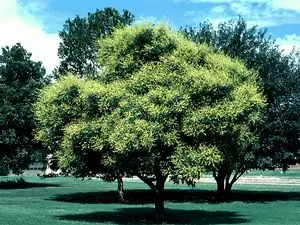
The Seedsun selection
Koelreuteria paniculata
SKU: KOEL-PANI-01G
The goldenrain tree is a deciduous member of the soapberry family (Sapindaceae), native to China and Korea and long cultivated across eastern Asia. Growing to a rounded twenty-five to thirty-five feet, the tree carries handsome pinnate compound leaves that cast a light, dappled shade, and in early.
Ask for a tailored quote
Pricing, pack sizes and availability are confirmed in your personal quotation. Sending an enquiry does not place a paid order.
Ask about suitability, sowing and growing requirements.
Confirm delivery options and required documents in your quote.
About this variety
The goldenrain tree is a deciduous member of the soapberry family (Sapindaceae), native to China and Korea and long cultivated across eastern Asia. Growing to a rounded twenty-five to thirty-five feet, the tree carries handsome pinnate compound leaves that cast a light, dappled shade, and in early to midsummer, later toward the north, the branches hang with large, airy panicles of small golden-yellow flowers, a soft rain of gold across the crown and the source of the common name goldenrain tree.
The flowers give way to one of the most distinctive fruits in cultivation: papery, three-sided, lantern-like capsules that flush rose and bronze as they ripen and hold on for weeks, each enclosing hard, round black seeds once strung as beads and rosaries. The goldenrain tree carries a deep cultural history in China, where the species stood among the official memorial trees of the Zhou dynasty, planted at the tombs of scholars, and where the flowers have long yielded a clear yellow dye.
That heritage extends into traditional Chinese medicine, where the flowers were prepared as an ophthalmic remedy for inflamed and watering eyes and carried a reputation as an antioxidant tonic. Modern laboratory work has taken some interest in the plant's flavonoids, though rigorous clinical study remains limited. This note belongs to the tree's history and is offered for interest only, not as medical advice.
In the garden, the goldenrain tree is a tough, adaptable, and forgiving small shade tree for a lawn, a courtyard, an urban street, or an open border, taking full sun and a wide range of soils from sand to clay with equal grace. The modest size and manageable canopy suit residential and city plantings alike, and the summer gold and autumn lanterns give two full seasons of interest. Note that the tree can self-sow freely in warm climates, so site where seedlings are easy to manage.
More to discover



Questions & discussion