

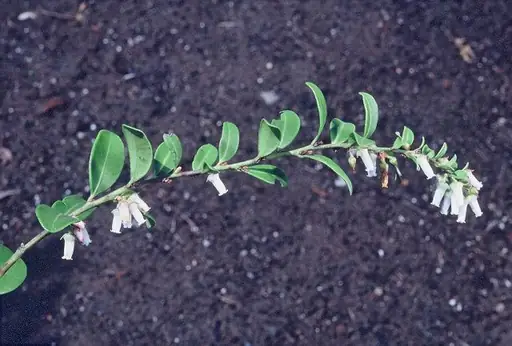
The Seedsun selection
Lyonia lucida 'Morris Minor'
SKU: LYON-LUCI-MORR-MINO-01G
Lyonia lucida 'Morris Minor' is ' own compact selection of the native fetterbush, a tidier, smaller-leaved form of one of the Southeast's finest evergreen shrubs. The name is a small joke and a tribute at once: the little, rounded leaves recall the Morris Minor motorcar, and the selection honors.
Ask for a tailored quote
Pricing, pack sizes and availability are confirmed in your personal quotation. Sending an enquiry does not place a paid order.
Ask about suitability, sowing and growing requirements.
Confirm delivery options and required documents in your quote.
About this variety
Lyonia lucida 'Morris Minor' is ' own compact selection of the native fetterbush, a tidier, smaller-leaved form of one of the Southeast's finest evergreen shrubs. The name is a small joke and a tribute at once: the little, rounded leaves recall the Morris Minor motorcar, and the selection honors the landowner, Mr. Morris, on whose property the original plant was found.
Fetterbush is a Southeastern native, growing wild in acidic wetlands and damp pine woods from Virginia south through Florida and west to Louisiana. The shrub belongs to the heath family, Ericaceae, in company with azaleas, blueberries, and mountain laurel, and shares the family's love of moist, acidic, humus-rich soil. Like the rest of that clan, the foliage carries grayanotoxins and is not for grazing, so deer pass the plant by.
What sets 'Morris Minor' apart is restraint. Where the ordinary fetterbush arches to six or eight feet, this selection keeps to a dense, upright-arching three to five, with smaller, glossier, rounder leaves that give the shrub a refined, well-groomed look the year round. In spring the branches hang with the classic fetterbush bells, soft white to pink, nodding beneath the foliage and offering early nectar to bees.
The compact habit makes 'Morris Minor' far easier to place than the wild species: a natural for smaller gardens, foundation plantings, low native hedges, and the front of a moist, acidic border or rain garden. Give sun to part shade and steady moisture, mulch with pine straw, and the shrub asks little. A hard cut in early spring rejuvenates an older plant and keeps the neat, arching form at its best.
More to discover



Questions & discussion