

The Seedsun selection
Malus angustifolia
SKU: MALU-ANGU-01G
Crabapples in almost infinite variety are popular ornamentals in the North, and most of them sulk in zones 8 and 9. Malus angustifolia is the one that belongs here. The southern crabapple grows wild along fencerows, old field edges, and creek bottoms from Virginia to Florida and west to.
Ask for a tailored quote
Pricing, pack sizes and availability are confirmed in your personal quotation. Sending an enquiry does not place a paid order.
Ask about suitability, sowing and growing requirements.
Confirm delivery options and required documents in your quote.
About this variety
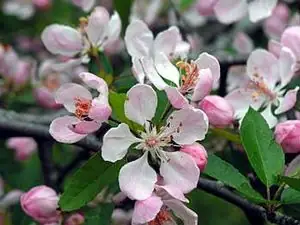
Crabapples in almost infinite variety are popular ornamentals in the North, and most of them sulk in zones 8 and 9. Malus angustifolia is the one that belongs here. The southern crabapple grows wild along fencerows, old field edges, and creek bottoms from Virginia to Florida and west to Mississippi, and for two weeks in late March or April the tree covers every twig in deep pink buds that open to blush-pink flowers so fragrant that William Bartram, riding through the Carolina backcountry in the 1770s, wrote of being led to groves of them by the scent alone. Few flowering trees anywhere smell as good, and none that are native to the lower South.
The name is plain Latin: angustifolia, narrow-leaved, for the slender, glossy, blunt-toothed leaves that set this species apart from the broader-leaved sweet crabapple of the Midwest. William Aiton published the name at Kew in 1789 from plants already growing in English gardens, where the southern crab had arrived decades earlier as one of the first American trees shipped east. The fruit follows in late summer, round yellow-green crabs about an inch across, hard and mouth-puckeringly sour fresh, which is exactly why they were prized. Southern households made the crabs into jelly, cider, and vinegar, and in the fall the fruit litters the ground for deer, foxes, turkeys, and grouse. The Cherokee used the bark in washes and the fruit in preserves, and the wood, hard and close-grained, went into tool handles.
In the garden expect a small rounded tree of fifteen to twenty-five feet, often multi-trunked, with spreading, somewhat thorny branches and a tendency to sucker into a loose thicket if allowed. The tree takes sun or light shade and nearly any soil short of standing water, including the thin sand and heavy clay that defeat the northern cultivars. Like all crabs the southern crabapple can host cedar-apple rust where red cedars grow near, which spots the leaves in a wet year without doing the tree any lasting harm. Prune after flowering to shape, or leave alone for the wildlife and the wild look.
Site the southern crabapple where the April scent will find a window or a porch, at the sunny edge of a woodland garden, or along a property line where the thicket can earn a living as cover. Underplant with Phlox divaricata and Amsonia that bloom in the same weeks, or let the tree stand alone in a meadow. This is the crabapple the South was given, and still the best one for the South.
More to discover



Questions & discussion