

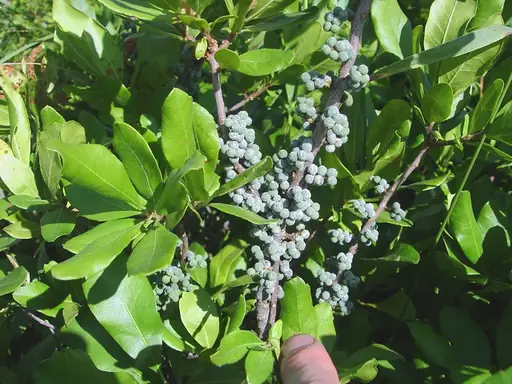
The Seedsun selection
Morella caroliniensis
SKU: MORE-CARO-01G
The bayberry candle is one of those traditions so old it has become purely symbolic, burned at Christmas for luck, the scent faint and slightly waxy and unlike anything paraffin has managed to replicate in three centuries of trying. Most people who burn one have no idea what plant produced it, or.
Ask for a tailored quote
Pricing, pack sizes and availability are confirmed in your personal quotation. Sending an enquiry does not place a paid order.
Ask about suitability, sowing and growing requirements.
Confirm delivery options and required documents in your quote.
About this variety
The bayberry candle is one of those traditions so old it has become purely symbolic, burned at Christmas for luck, the scent faint and slightly waxy and unlike anything paraffin has managed to replicate in three centuries of trying. Most people who burn one have no idea what plant produced it, or that the plant is still out there, growing in sandy pocosins and coastal flats from New Jersey to the Gulf, doing quiet work in the margins of the southeastern landscape. That plant is Morella caroliniensis.
The wax is real. Colonists harvested it by boiling the berries and skimming the floating hydrocarbons from the surface, a process that took something like fifteen pounds of fruit to yield a single pound of wax, which tells you how highly they valued the result. The candles burned clean, held their shape in summer heat, and carried that particular fragrance that made them worth the effort. The practice faded when paraffin arrived. The plant did not.
This bayberry has been here longer than the common wax myrtle has been in cultivation, longer than most of the shrubs in the average garden center, fixing nitrogen in the root zone through a bacterial partnership that actively improves the surrounding soil. The berries persist on female plants through winter, deep blue-black under a pale waxy bloom, and sustain yellow-rumped warblers through the lean months in a way no ornamental exotic can. Here is a plant with a real history of usefulness in the landscape, which in the current moment is not a small thing.
And this is not the wax myrtle. Morella cerifera is faster, larger, and given to colonizing at a scale that needs managing; Morella caroliniensis, still listed in older references as Myrica heterophylla, is more considered, holding a position rather than claiming new ground. For the gardener who wants a native bayberry with actual restraint, this is the one. The genus belongs to the bayberry family, Myricaceae, and the aromatic, semi-glossy evergreen leaves release the classic bayberry scent when crushed.
More to discover



Questions & discussion