

The Seedsun selection
Myrtus communis
SKU: MYRT-COMM-01G
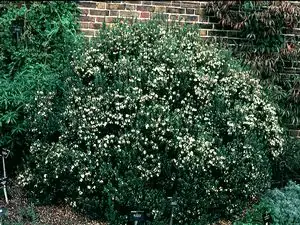
Myrtus communis, the true myrtle, is a dense evergreen shrub of the Mediterranean, clothed in small, glossy, aromatic leaves and starry white flowers, and few garden plants carry so much history. Sacred to Aphrodite and to her Roman counterpart Venus, myrtle has stood for love, beauty, and marriage.
Ask for a tailored quote
Pricing, pack sizes and availability are confirmed in your personal quotation. Sending an enquiry does not place a paid order.
Ask about suitability, sowing and growing requirements.
Confirm delivery options and required documents in your quote.
About this variety
Myrtus communis, the true myrtle, is a dense evergreen shrub of the Mediterranean, clothed in small, glossy, aromatic leaves and starry white flowers, and few garden plants carry so much history. Sacred to Aphrodite and to her Roman counterpart Venus, myrtle has stood for love, beauty, and marriage since antiquity, woven into bridal wreaths from ancient Greece to Victorian England, and a sprig from Queen Victoria's own bouquet founded a myrtle whose descendants still supply royal wedding flowers today.
Every part of the plant is fragrant, and the kitchen has never ignored the myrtle. Around the Mediterranean the leaves and blue-black berries season roasts and game in the old Sardinian and Corsican way, and the berries steeped in spirit make mirto, the beloved myrtle liqueur of those islands. The essential oil scents perfumes and soaps, distilled myrtle water was once a fashionable toilet water in the Italian courts, bees work the summer flowers, and the small berries feed birds.
Myrtle is also one of the oldest medicinal plants of the classical world. Hippocrates noted the leaves as a remedy for the chest, Pliny the Elder praised their power over wounds, and the ancient Egyptians steeped them in wine against fever, a tradition of antiseptic and expectorant use that has carried through Mediterranean and South Asian herbal practice into modern laboratory study of the aromatic oils.
In the garden the true myrtle is a workhorse of warm-climate design. The dense, fine-textured, sweetly scented foliage takes clipping beautifully, so myrtle makes a classic low hedge, a formal topiary, a knot-garden edging, or a container standard for a sunny terrace, and stands equally well as an informal specimen. Give full sun to a little shade and well-drained soil, keep the plant out of wet ground, and site where a passing hand can brush the leaves and release the scent. North of zone 8, grow in a pot that can shelter under cover for winter.
More to discover



Questions & discussion