
The Seedsun selection
Mericrest Nectarine Tree
SKU: FT121
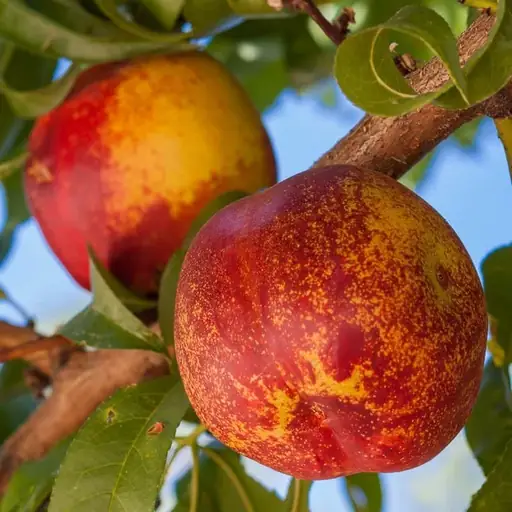
Mericrest Nectarine Tree gives gardeners in colder regions a chance to grow fruit with the polish and intensity of a fine summer nectarine. Its large fruit develops smooth red skin over golden freestone flesh, creating a vivid contrast when sliced. The flavor is rich and sweet with a lively tang.
Ask for a tailored quote
Pricing, pack sizes and availability are confirmed in your personal quotation. Sending an enquiry does not place a paid order.
Ask about suitability, sowing and growing requirements.
Confirm delivery options and required documents in your quote.
About this variety
Mericrest Nectarine Tree gives gardeners in colder regions a chance to grow fruit with the polish and intensity of a fine summer nectarine. Its large fruit develops smooth red skin over golden freestone flesh, creating a vivid contrast when sliced. The flavor is rich and sweet with a lively tang that keeps each bite bright, while the melting flesh remains satisfying fresh and useful for drying, baking, preserves, and freezing.
Showy spring flowers add ornamental value, but Mericrest’s real distinction is its ability to combine taste-test quality with unusual cold hardiness and later bloom. In areas where winter temperatures or erratic spring weather make nectarines uncertain, that resilience can transform an ambitious planting into a dependable pleasure. For shoppers who refuse to choose between strong garden performance and memorable fruit, Mericrest offers both in one handsome, productive tree.
Mericrest needs about 800 chill hours and grows in USDA zones 5–9. This semi-dwarf tree on Citation rootstock generally ripens from early to mid-July, with timing varying by region and season.
Mericrest is self-fruitful and can bear alone. Another compatible nectarine or peach may encourage pollinator activity and support fruit set.
Mericrest Nectarine Tree Details
- Fruit: Large red-skinned nectarine with yellow freestone flesh
- Flavor and texture: Rich, sweet, tangy, juicy, and melting
- Best uses: Fresh eating, drying, baking, preserves, and freezing
- Harvest: Early to mid-July, with timing varying by region and season
- USDA zones: 5–9
- Chill hours: About 800 hours
- Tree size: Semi-dwarf on Citation rootstock
- Pollination: Self-fruitful; another compatible stone fruit may support pollinator activity and fruit set.
- Recommended companions: Pair with Harko Nectarine or Fantasia Nectarine.
- Special care: Its late bloom helps avoid some frost, but thin heavy fruit sets to protect limbs.
- Something Special: Mericrest was developed at the New Hampshire Agricultural Experiment Station as part of its cold-climate stone-fruit breeding work.
Orchard Planning Resources
- Bare Root Tree Selection Guide
- How to Plant Bare Root Trees
- Fruit & Nut Tree Characteristics
- Tree Rootstock Characteristics Chart
More to discover
Questions & discussion