

The Seedsun selection
Osmanthus fragrans
SKU: OSMA-FRAG-01G
Some plants are grown for the eye and some for the nose, and sweet osmanthus belongs wholly to the second camp. The very name tells the story: Osmanthus joins the Greek osme, a scent, with anthos, a flower, and fragrans doubles down, so the botanical name reads almost as fragrant fragrant-flower..
Ask for a tailored quote
Pricing, pack sizes and availability are confirmed in your personal quotation. Sending an enquiry does not place a paid order.
Ask about suitability, sowing and growing requirements.
Confirm delivery options and required documents in your quote.
About this variety
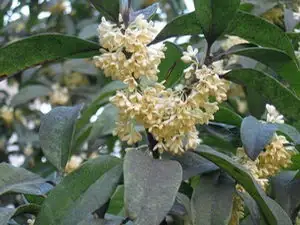
Some plants are grown for the eye and some for the nose, and sweet osmanthus belongs wholly to the second camp. The very name tells the story: Osmanthus joins the Greek osme, a scent, with anthos, a flower, and fragrans doubles down, so the botanical name reads almost as fragrant fragrant-flower. The blooms themselves are tiny, waxy, and creamy white, tucked so far back among the leaves that a passerby often smells the plant long before finding the flowers, a warm apricot-and-honey perfume that carries across a whole garden on a mild autumn day.
An evergreen shrub from the woodlands of China and the eastern Himalaya, sweet osmanthus builds slowly into a dense, rounded plant of fifteen to twenty-five feet, almost tree-like in mild climates, with glossy, finely toothed leaves about three inches long. Southern gardeners have prized the shrub for generations, and Michael Dirr, in his Manual of Woody Landscape Plants, put the case plainly: the flowers appear over such a great time frame and are so fragrant that to not try the plant is to cheat one's garden. In colder regions the tea olive earns a place under glass, a prized conservatory plant for winter scent.
In China the flowers are gui hua, a fixture of kitchen and teahouse as much as garden. The blossoms are steeped with green and black tea to make the fragrant osmanthus tea, simmered with sugar into syrups and jams, and folded into mooncakes, sweet soups, and rice wine, and the scent of osmanthus over a courtyard is bound up with the Mid-Autumn Festival and centuries of poetry. Traditional Chinese medicine has long turned the dried flowers to warming, phlegm-clearing, and digestive uses, a heritage carried in every cup of the amber tea.
Site sweet osmanthus by the nose rather than the eye: beside a door, along a well-used path, under a window left open in autumn, or near a patio where the evening air pools. The dense evergreen frame also makes a fine informal hedge, a screen, or a backdrop for showier plants, and takes light shaping without complaint. Give full sun to part shade and moist, well-drained soil, with a little afternoon shade in the hottest gardens, and pair with camellias, hollies, and other broadleaf evergreens for a planting that carries structure through the year and perfume through the fall.
More to discover



Questions & discussion