

The Seedsun selection
Persea borbonia
SKU: PERS-BORB-01G
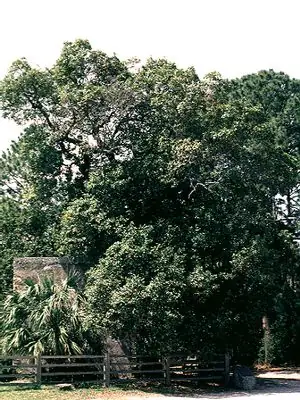
Persea borbonia, the redbay, is a handsome broadleaf evergreen native to the southeastern United States, ranging from coastal Virginia through Florida and west along the Gulf. A member of the laurel family and a close relative of the avocado, the redbay carries the same aromatic oils, and the.
Ask for a tailored quote
Pricing, pack sizes and availability are confirmed in your personal quotation. Sending an enquiry does not place a paid order.
Ask about suitability, sowing and growing requirements.
Confirm delivery options and required documents in your quote.
About this variety
Persea borbonia, the redbay, is a handsome broadleaf evergreen native to the southeastern United States, ranging from coastal Virginia through Florida and west along the Gulf. A member of the laurel family and a close relative of the avocado, the redbay carries the same aromatic oils, and the glossy leaves have long been used in the southern kitchen much as bay laurel (Laurus nobilis) is, to season soups, stews, and gumbo.
Redbay is often confused with the closely related swampbay (Persea palustris), but the two can be told apart by small marks: the redbay lacks the rusty, star-shaped hairs on the leaf undersides, holds the fruit on short stalks, and favors somewhat drier ground, the coastal dunes, sandy ridges, and well-drained hammocks where the evergreen canopy lends shade and structure to the native landscape.
Beyond the kitchen, redbay carries a deep ethnobotanical history. The small dark fruits feed birds and small mammals, and the foliage is a host for the caterpillars of the Palamedes swallowtail. The Seminole and other Southeastern peoples used the leaves medicinally, chiefly as an emetic and cleanser and in infusions for fevers and headaches, one thread in a long human relationship with the tree.
In recent years the redbay has met a formidable threat. Laurel wilt, a fungal disease carried by the introduced redbay ambrosia beetle, has swept through much of the native range and killed redbays across the coastal plain. That loss makes garden plantings inland, or beyond the beetle's reach, quietly valuable, a way of holding the species where the wild has been unkind.
As an ornamental, redbay offers year-round green on a moderate, densely branched frame suited to gardens and parks, thriving in acidic, sandy soils and adapting to a range of well-drained sites. Grow the tree as an evergreen specimen or in a native grouping where permanence, fragrance, and ecological value are wanted, and site where a passing hand can brush the aromatic leaves.
More to discover



Questions & discussion