

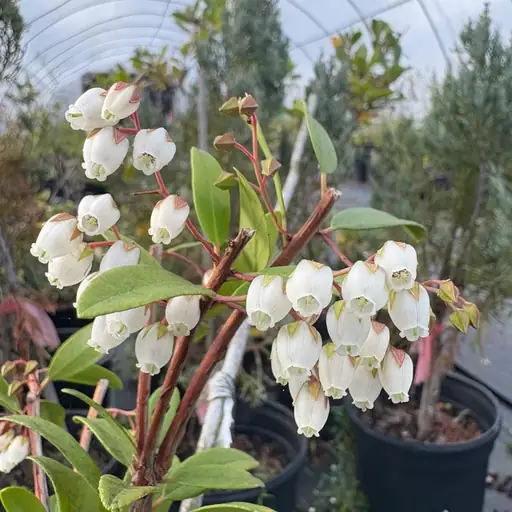
The Seedsun selection
Pieris phillyreifolia
SKU: PIER-PHIL-01G
Pieris phillyreifolia, the climbing fetterbush, is one of the strangest and most wonderful of Southeastern natives, an evergreen member of the heath family with a habit unlike any other hardy shrub. In cultivation the plant grows as a neat, small evergreen shrub of two to three feet, clothed in.
Ask for a tailored quote
Pricing, pack sizes and availability are confirmed in your personal quotation. Sending an enquiry does not place a paid order.
Ask about suitability, sowing and growing requirements.
Confirm delivery options and required documents in your quote.
About this variety
Pieris phillyreifolia, the climbing fetterbush, is one of the strangest and most wonderful of Southeastern natives, an evergreen member of the heath family with a habit unlike any other hardy shrub. In cultivation the plant grows as a neat, small evergreen shrub of two to three feet, clothed in narrow, leathery dark green leaves about an inch long.
In the wild, though, the climbing fetterbush does something no other Pieris does. Rooted in the acid muck of cypress swamps, the plant climbs the trunks of pond cypress (Taxodium ascendens), threading stems high up beneath the loose outer bark and then pushing out horizontal, leafy branches that seem, uncannily, to sprout straight from the cypress itself. Few gardeners ever see the trick, but it is one of the great curiosities of the American flora.
Early each spring the plant hangs showy, compound racemes of small white, bell-shaped flowers, like strings of porcelain thimbles, sweetly fragrant and among the first heath flowers to feed the season's pollinators. New growth flushes faintly reddish before deepening to dark green, so the fine foliage carries the plant handsomely the rest of the year.
Grow the climbing fetterbush as you would a related azalea, rhododendron, or blueberry, in moist, acid, humus-rich soil and the dappled light of a woodland edge or shaded border. Give steady moisture, mulch with pine straw to keep the roots cool and sour, and let the shrub knit into a low evergreen presence. Like other members of the heath family, every part is poisonous if eaten, which also keeps deer at bay, so site away from where children or livestock might graze.
More to discover



Questions & discussion