

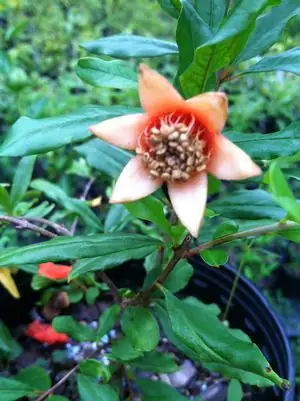
The Seedsun selection
Punica granatum (fruiting, from SC)
SKU: PUNI-GRAN-FRUI-01G
This is the pomegranate grown the old way, for the fruit. Punica granatum is a deciduous Middle Eastern shrub of narrow, glossy leaves and vivid orange-red flowers, followed by the large, leathery-skinned, garnet-seeded fruits for which the plant has been cultivated since antiquity. raised this.
Ask for a tailored quote
Pricing, pack sizes and availability are confirmed in your personal quotation. Sending an enquiry does not place a paid order.
Ask about suitability, sowing and growing requirements.
Confirm delivery options and required documents in your quote.
About this variety
This is the pomegranate grown the old way, for the fruit. Punica granatum is a deciduous Middle Eastern shrub of narrow, glossy leaves and vivid orange-red flowers, followed by the large, leathery-skinned, garnet-seeded fruits for which the plant has been cultivated since antiquity. raised this particular selection from seed of a good fruiting specimen in upstate South Carolina, and the plant may well represent 'Wonderful', the widely grown commercial variety, proven here as a dependable cropper in the southern garden.
Few plants carry a longer human record. The pomegranate was among the first fruits brought into cultivation, spreading from Persia and the Levant across the ancient world, moving with caravans, armies, and traders until the shrub grew from Spain to India. Spanish missionaries carried the fruit to the Americas, and in the gardens of the old South the pomegranate became a dooryard fixture, tucked near back steps where the tart juice went into jelly and syrup. This South Carolina seedling continues that long southern thread.
The pomegranate has always meant more than the sum of the seeds. The many-chambered fruit is an ancient emblem of fertility and abundance, woven through Greek myth in the story of Persephone, through Jewish, Christian, and Islamic tradition, and through the astringent rind and bark that old apothecaries kept for the gut and for expelling parasites. Even the name is a history lesson: granatum, grainy or full of seeds, gave English the word grenade, while Punica points back to Carthage and the Punic peoples through whom Rome first knew the fruit.
In the garden, give the pomegranate a hot, sunny, well-drained spot and room for a multi-stemmed shrub of ten to twelve feet, or limb the plant up into a small tree. Full sun and a long, warm season bring the heaviest crop, and steady water during fruit set keeps the ripening globes from splitting. Site the shrub in an edible landscape, a Mediterranean-style planting, or a sunny border where the orange-red flowers feed pollinators and the fall fruit can be gathered, and pair with figs, rosemary, and other sun-loving companions. Drought-tolerant once established, and long-lived where winters stay mild.
More to discover



Questions & discussion