

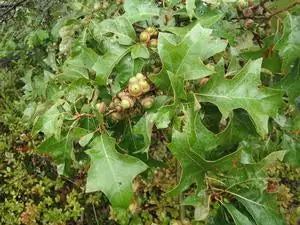
The Seedsun selection
Quercus ilicifolia
SKU: QUER-ILIC-01G
Bear oak is the scrub oak of the barrens, a tough, thicket-forming little oak that thrives exactly where good trees give up. Many-branched and gnarled, usually a shrub or small tree well under twenty feet, the species clothes dry ridgetops, sandplains, and pine barrens across the Northeast,.
Ask for a tailored quote
Pricing, pack sizes and availability are confirmed in your personal quotation. Sending an enquiry does not place a paid order.
Ask about suitability, sowing and growing requirements.
Confirm delivery options and required documents in your quote.
About this variety
Bear oak is the scrub oak of the barrens, a tough, thicket-forming little oak that thrives exactly where good trees give up. Many-branched and gnarled, usually a shrub or small tree well under twenty feet, the species clothes dry ridgetops, sandplains, and pine barrens across the Northeast, reaching south sparingly into the Carolinas, the small glossy leaves silvered beneath and the branches heavy in a good year with small, bitter acorns.
The name is a small joke on the botanist. Ilicifolia means holly-leaved, but the sharp-lobed, bristle-tipped leaves are not really holly-like at all, closer to a small red oak leaf than to any holly. The common name is more honest: black bears fatten on the bitter acorns before winter, and so do deer, turkey, grouse, and jays, which makes bear oak a genuine wildlife plant. In the pine barrens of southern New England the shrub is the primary host for nearly a third of the region's rarest moths and butterflies, an ecological keystone in disguise.
As a garden plant, bear oak asks for the opposite of pampering. Full sun and poor, dry, sandy or rocky, acid soil are all the tree wants, and drought only firms up the constitution; the one thing to avoid is wet ground. Fire holds no terror here, since the shrub resprouts vigorously from the base after being cut or burned, which makes bear oak a fine choice for stabilizing a raw sandy bank or reclaiming difficult ground. Hardy through USDA zones 4 to 7, the plant turns reddish-purple in fall.
Few nurseries offer bear oak, which is reason enough for a certain gardener to want one. Use the shrub to naturalize a poor, sunny slope, to anchor a wildlife or pine-barrens planting, or as a rugged, characterful small specimen where nothing fussier would survive. This is a plant for the honest hard place, and it rewards the gardener who works with the site rather than against it.
More to discover



Questions & discussion