

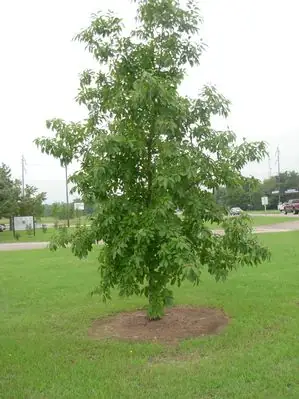
The Seedsun selection
Quercus muehlenbergii
SKU: QUER-MUEH-01G
This oak carries the name of a Pennsylvania parson. Gotthilf Heinrich Ernst Muhlenberg was a Lutheran minister who botanized on the side, thoroughly enough that the German-American botanist George Engelmann named the species for him, and then misspelled it: Engelmann set an umlaut over the u that.
Ask for a tailored quote
Pricing, pack sizes and availability are confirmed in your personal quotation. Sending an enquiry does not place a paid order.
Ask about suitability, sowing and growing requirements.
Confirm delivery options and required documents in your quote.
About this variety
This oak carries the name of a Pennsylvania parson. Gotthilf Heinrich Ernst Muhlenberg was a Lutheran minister who botanized on the side, thoroughly enough that the German-American botanist George Engelmann named the species for him, and then misspelled it: Engelmann set an umlaut over the u that Muhlenberg never used, and the rules of botanical naming have fossilized the slip ever since, transliterating it into the tongue-twisting muehlenbergii we are stuck with.
The common name is older and kinder. Chinquapin is the chestnut family's word for a small sweet nut, and this oak wears chestnut-shaped leaves, glossy and coarsely toothed and pale beneath, to go with acorns that are themselves among the sweetest in the genus, edible nearly off the tree where most oaks need leaching to be borne.
What sets chinquapin oak apart from almost every other oak is a taste in ground. This is a limestone tree, happiest on sweet, alkaline, rocky soil where the acid-loving oaks turn sickly and yellow, which makes the species the answer to a question most growers cannot otherwise solve. The tree builds slowly into a medium oak with an open, rounded crown and ashy, flaky, white-oak bark good to look at all winter.
Give chinquapin oak sun and a soil that leans alkaline, and the tree will quietly thrive where the others cannot: a specimen or shade tree for a limestone or high-pH lawn, a park, a street, or a naturalistic native planting on sweet, rocky ground. Full sun brings the best form; pair with other lime-tolerant natives, allow room for a broad, rounded, forty- to sixty-foot crown, and let the sweet acorns feed the deer, turkey, and squirrels that seek them out.
More to discover



Questions & discussion