

The Seedsun selection
Quercus stellata
SKU: QUER-STEL-01G
Quercus stellata, the post oak, is one of the great toughs of the eastern white oaks, a tree born to dry uplands, old fields, and rocky ridges from the sandy hills of the Carolinas and Georgia across the Piedmont and into the prairies of Texas and the Midwest. Where soils are thin and the summers.
Ask for a tailored quote
Pricing, pack sizes and availability are confirmed in your personal quotation. Sending an enquiry does not place a paid order.
Ask about suitability, sowing and growing requirements.
Confirm delivery options and required documents in your quote.
About this variety
Quercus stellata, the post oak, is one of the great toughs of the eastern white oaks, a tree born to dry uplands, old fields, and rocky ridges from the sandy hills of the Carolinas and Georgia across the Piedmont and into the prairies of Texas and the Midwest. Where soils are thin and the summers unrelenting, post oak has made a living, holding ground against wind, sun, and time itself.
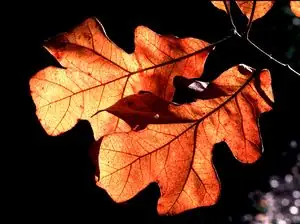
The name stellata points to the star-shaped hairs that once gave the foliage a faint silvery cast, but the surer mark is the leaf itself: thick, leathery, and dark green, cut into a bold cross of squared-off lobes, a cruciform silhouette often likened to a Maltese cross, or, more affectionately in the southern Midwest, a ghost. No other oak leaf reads quite the same, even from a distance.
Post oak is quietly noble in horticulture, less common in the trade than live oak or willow oak but increasingly valued by designers for exceptional drought tolerance, an easy indifference to poor soil, and a lifespan that often stretches for centuries. The broad, rounded crown casts deep, cool shade over a town square, a park, or a large garden, and the thick, fire-resistant bark tells of a life in the southern pine barrens, where post oak has endured centuries of lightning and low ground fires. As a keystone of the oak-hickory forest, the acorns feed deer, turkey, and a long list of birds and small mammals.
In Aiken, South Carolina, and in many old southern towns, great spreading post oaks still watch over generations, a reminder that a tree can be more than shade, a marker of place and a bearer of memory across centuries. For gardeners and stewards planting with an eye toward biodiversity and native resilience, Quercus stellata offers permanence and sustenance both.
Give post oak the open, sunny, sharply drained ground it prefers and room for a broad, sixty- to eighty-foot crown, as a long-term specimen or shade tree for a large lawn, a park, or a naturalistic native planting. Post oak resents root disturbance and wet feet, so site the tree carefully on dry, well-drained ground and leave the roots undisturbed. Pair with other oak-hickory natives, and plant for the long view.
Additional photos courtesy of Stephanie Brundage.
More to discover



Questions & discussion