

The Seedsun selection
Rhus aromatica
SKU: RHUS-AROM-01G
Fragrant sumac is a versatile deciduous shrub native across much of the eastern and central United States, where the plant threads scattered woodlands, rocky slopes, and open banks. The trifoliate leaves, often mistaken at a glance for poison oak, are entirely harmless, and a crushed leaf releases.
Ask for a tailored quote
Pricing, pack sizes and availability are confirmed in your personal quotation. Sending an enquiry does not place a paid order.
Ask about suitability, sowing and growing requirements.
Confirm delivery options and required documents in your quote.
About this variety
Fragrant sumac is a versatile deciduous shrub native across much of the eastern and central United States, where the plant threads scattered woodlands, rocky slopes, and open banks. The trifoliate leaves, often mistaken at a glance for poison oak, are entirely harmless, and a crushed leaf releases the clean, lemony-resinous scent that gives the plant every one of the common names, from fragrant sumac to skunkbush, depending on the nose. The genus name Rhus is the old Greek and Latin word for the sumacs, and the epithet aromatica names the scent directly.
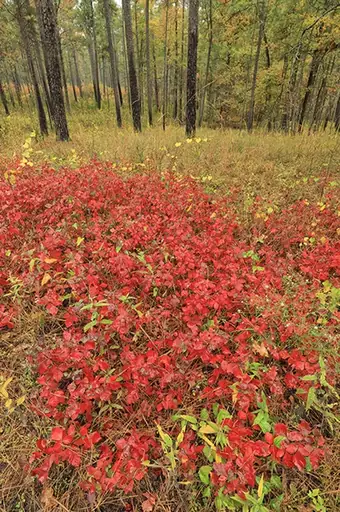
Through summer the foliage is a soft blue-green of fine texture, and in earliest spring, before the leaves break, small chartreuse-yellow flowers open in tight, catkin-like spikes along the bare twigs, one of the first offerings in the shrub border for waking bees. The plant is mostly dioecious, so only female plants set the clusters of fuzzy crimson berries that ripen in late summer and hold through winter, feeding birds and adding color. In autumn the leaves turn a layered blaze of orange, scarlet, burgundy, and oxblood purple, often all at once, which makes fragrant sumac as valuable for fall display as for year-round structure.
Fragrant sumac carries a long human history as well. Indigenous peoples across the continent used the tannin-rich plant in food, medicine, and craft: the tart, vitamin-C-rich berries steeped in cool water into a lemonade-like drink, the leaves and bark supplied dye and tanned leather, and root, bark, and berry preparations served a range of traditional remedies. The astringent chemistry that made the plant useful is shared across the whole sumac clan.
Few natives work harder in a difficult spot. Fragrant sumac thrives in full sun or light shade and is especially suited to dry banks, slopes, and lean, rocky or sandy ground where erosion control is needed, and low-growing selections have long been used as groundcovers and mass plantings where turf is impractical. Highly variable in form, the plant may hug the ground or build into a shrub of six to twelve feet; whatever the habit, expect durability, wildlife value, and strong seasonal interest. Deer tend to pass the aromatic foliage by. Plant a female near a male if the berries are wanted.
More to discover



Questions & discussion