

The Seedsun selection
Salix eriocephala
SKU: SALI-ERIO-01G
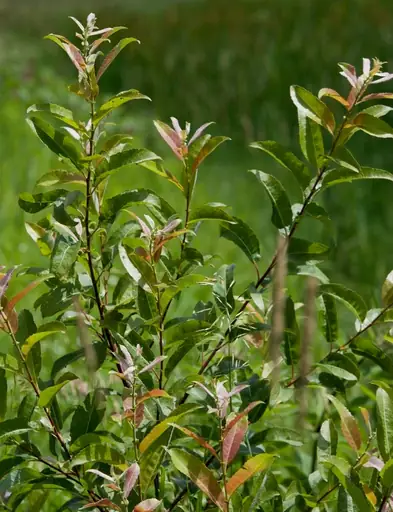
Salix eriocephala, the heart-leaved or Missouri River willow, is a graceful native shrub, sometimes a modest multi-stemmed tree, of riverbanks and wet meadows across northern and eastern North America. The plant rises on several trunks clad in coarse gray bark, reaching roughly eight to a dozen.
Ask for a tailored quote
Pricing, pack sizes and availability are confirmed in your personal quotation. Sending an enquiry does not place a paid order.
Ask about suitability, sowing and growing requirements.
Confirm delivery options and required documents in your quote.
About this variety
Salix eriocephala, the heart-leaved or Missouri River willow, is a graceful native shrub, sometimes a modest multi-stemmed tree, of riverbanks and wet meadows across northern and eastern North America. The plant rises on several trunks clad in coarse gray bark, reaching roughly eight to a dozen feet in the garden and more in wild thickets, and the epithet eriocephala, meaning woolly-headed, points to the soft, silky catkins that give the willow much of its charm.
In early spring, before the leaves, silky catkins open along the bare stems as one of the first stirrings of the season, quiet heralds of pollinator life that feed the earliest bees. The leaves that follow give the plant the name heart-leaved willow, rounded at the base and tapering to a lance-shaped tip, thick in texture and softly hairy beneath, finely toothed along the edge, and shed each fall.
This is a plant of wet places, at home along riverbanks, marshes, wet meadows, and flood-scoured prairies, with a strong root system that stabilizes banks and reads the floodplain's rhythm of ebb and flow. The willow is a useful plant as well as a wild one: the flexible stems have long been cut for basketry, the bark carries the traditional medicinal value of the willow family through its salicylic compounds, and the leaves host the caterpillars of the mourning cloak butterfly, Nymphalis antiopa, while the early catkins feed emerging bees.
In the garden Salix eriocephala earns a place at a pond edge, a streambank, a rain garden, or any damp, sunny spot that needs quick cover and soil holding, and the fast growth suits coppicing and restoration work alike. Give full sun and moist to wet ground, cut back hard when denser growth or fresh stems are wanted, and enjoy a willow that heals, crafts, and anchors in equal measure. For the fuller story, tells it on the nursery blog, The Node. Photographs courtesy of Trees Canadensis, Donald Cameron, and RW Smith.
More to discover



Questions & discussion