

The Seedsun selection
Salvia leucantha x elegans 'Anthony Parker'
SKU: SALV-LEUC-ANTH-PARK-01G
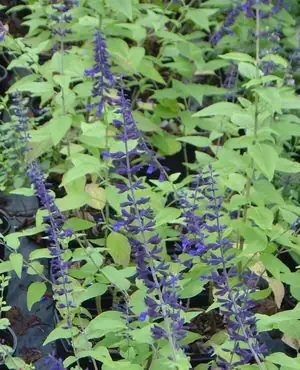
Salvia 'Anthony Parker' is a big, late-blooming hybrid sage with a charming South Carolina origin. The plant arose as a chance seedling in the Beaufort garden of the plantswoman Frances Parker, a cross between Salvia leucantha 'Midnight' and the pineapple sage Salvia elegans, and Frances rescued.
Ask for a tailored quote
Pricing, pack sizes and availability are confirmed in your personal quotation. Sending an enquiry does not place a paid order.
Ask about suitability, sowing and growing requirements.
Confirm delivery options and required documents in your quote.
About this variety
Salvia 'Anthony Parker' is a big, late-blooming hybrid sage with a charming South Carolina origin. The plant arose as a chance seedling in the Beaufort garden of the plantswoman Frances Parker, a cross between Salvia leucantha 'Midnight' and the pineapple sage Salvia elegans, and Frances rescued the young seedling from the path of the mower and named it for her grandson Anthony, then a year old, in 1994. From that lucky reprieve came one of the best late-season salvias for the South.
From late September until frost the plant is covered in foot-long terminal spikes of dark, blue-purple flowers held in near-black purple calyces, a rich and saturated color at a season when it is most welcome. The soft grayish-green leaves carry a light fruity, pineapple scent from the elegans parent when brushed, a bonus for a plant sited near a path or a seat.
'Anthony Parker' builds a large, dense, bushy clump, four to five feet tall and as wide or wider, so give the plant room at the back of a border. Hummingbirds work the late spikes heavily as they fuel for migration, along with bees and butterflies, and the aromatic foliage is left alone by deer.
Site the plant in full sun in well-drained soil, at the back of a large border, in a pollinator planting, or as a bold late-season specimen, and pair the dark purple spikes with warm-season grasses, asters, and the golds of fall. In zone 7 and warmer the plant returns from the root; farther north it makes a fast, dramatic annual. Cut the old growth down in late winter.
More to discover



Questions & discussion