

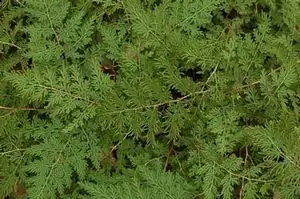
The Seedsun selection
Selaginella braunii (involvens)
SKU: SELA-BRAU-INVO-01G
Selaginella braunii, known in older texts as Selaginella involvens and in gardens as Braun's spikemoss or the arborvitae fern, belongs to one of the oldest surviving lineages of plants on Earth. The Selaginellas are not true ferns but spikemosses, an ancient group whose ancestry runs back more than.
Ask for a tailored quote
Pricing, pack sizes and availability are confirmed in your personal quotation. Sending an enquiry does not place a paid order.
Ask about suitability, sowing and growing requirements.
Confirm delivery options and required documents in your quote.
About this variety
Selaginella braunii, known in older texts as Selaginella involvens and in gardens as Braun's spikemoss or the arborvitae fern, belongs to one of the oldest surviving lineages of plants on Earth. The Selaginellas are not true ferns but spikemosses, an ancient group whose ancestry runs back more than three hundred million years, long before flowering plants reshaped the world. In the shaded understory of primeval forests these plants held their ground, and Braun's spikemoss carries that inheritance forward with quiet dignity.
Native to the cool, humid woodlands of southern China and neighboring parts of East Asia, Selaginella braunii drew the eye of plant collectors early, prized for evergreen persistence and finely divided, lace-like foliage that mimics a miniature conifer or a frond of cedar. By the late nineteenth and early twentieth centuries, when the Western world was besotted with exotic ferns and fern-allies, Selaginella species found their way into conservatories and shaded Victorian gardens. Where some spikemoss relatives earned fame for dramatic resurrection after drying to a crisp, Braun's spikemoss built a steadier reputation: handsome, dependable, and unfussy given shade and moisture.
In cultivation, the plant is grown for the very traits that carried the lineage through the ages, a low, slowly creeping habit, the knack of knitting fine green texture across damp woodland soil, and a reliable, near-evergreen presence in the dimmest corners. Braun's spikemoss behaves like a living understory tapestry, dense enough to notice, restrained enough to let showier woodland plants take the lead, and thick enough to shade out weeds as the mat fills in.
Set beneath camellias, tucked into mossy stonework, threaded along the edge of a shaded path, or skirting taller plants in a container, Selaginella braunii lends a shaded garden a sense of continuity, a thread linking today's planting to the deep botanical past. There is elegance in that persistence, the sort of quiet beauty that rewards a gardener who values a plant with a history older than the flowers themselves.
More to discover



Questions & discussion