

The Seedsun selection
Serenoa repens (blue form)
SKU: SERE-REPE-BLUE-FORM-01G
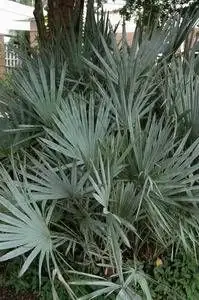
A silver-blue jewel among native palms, this is the rare glaucous form of saw palmetto, the low fan palm that carpets the pine flatwoods and coastal plains of the Deep South. Most saw palmettos wear green leaves, but this selection, native chiefly to the east coast of Florida, holds fans of.
Ask for a tailored quote
Pricing, pack sizes and availability are confirmed in your personal quotation. Sending an enquiry does not place a paid order.
Ask about suitability, sowing and growing requirements.
Confirm delivery options and required documents in your quote.
About this variety
A silver-blue jewel among native palms, this is the rare glaucous form of saw palmetto, the low fan palm that carpets the pine flatwoods and coastal plains of the Deep South. Most saw palmettos wear green leaves, but this selection, native chiefly to the east coast of Florida, holds fans of striking silvery blue, a metallic glaucous bloom that lifts the plant from a workhorse native to an ornamental of real presence.
Like the green form, the blue saw palmetto usually builds low, spreading clumps on creeping, often horizontal trunks, though in time a crown can rise upright to ten feet or more. Stiff, rounded leaves radiate in a symmetrical fan, each stalk edged with the fine saw teeth that gave saw palmetto a name, and in late spring branched panicles of small, creamy-white, fragrant flowers draw clouds of bees before blue-black drupes ripen behind them. The glaucous blue holds year round and glows against the greens of neighboring natives.
Saw palmetto is one of the toughest and longest-lived plants of the Southeast, and individual clones may persist for centuries. Drought-tolerant, salt-tolerant, and fire-adapted, the blue form thrives on sandy, sharply drained ground from coastal gardens to inland restorations. The blue-black berries carry a long medicinal history, eaten and used by the Seminole and later adopted into herbal practice for prostate and urinary complaints, though large modern reviews find little benefit beyond placebo. The fruit also feeds bears, birds, and countless insects, making the palm a keystone of the wild communities.
In the garden, grow the blue saw palmetto where the silver-blue foliage can carry: a xeriscape, a native or wildlife planting, a coastal bed, or a bold groundcover on hot, sandy ground. Pair with pines, wiregrass, and green-leaved natives that set off the metallic color, give full sun to light shade and sharp drainage, and expect slow, steady, decades-long growth. Site the palm back from walkways, since the saw-toothed stalks can catch a passing leg.
More to discover



Questions & discussion