

The Seedsun selection
Silene regia
SKU: SILE-REGI-01G
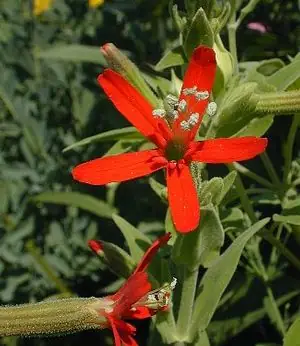
Royal catchfly wears the most electric red in the native flora. Silene regia sends up leafy, upright stems two to four feet tall, topped in mid to late summer with loose clusters of brilliant scarlet, star-shaped flowers, each with five deeply notched petals. Few prairie plants flower in true red,.
Ask for a tailored quote
Pricing, pack sizes and availability are confirmed in your personal quotation. Sending an enquiry does not place a paid order.
Ask about suitability, sowing and growing requirements.
Confirm delivery options and required documents in your quote.
About this variety
Royal catchfly wears the most electric red in the native flora. Silene regia sends up leafy, upright stems two to four feet tall, topped in mid to late summer with loose clusters of brilliant scarlet, star-shaped flowers, each with five deeply notched petals. Few prairie plants flower in true red, and fewer hold that color through the heat of July and August, which makes this native a genuine standout.
A member of the pink family, Caryophyllaceae, Silene takes the common name catchfly from the sticky, glandular stems that snare small insects, though the plant is no true carnivore. The scarlet color and long, tubular flowers are built instead for a single favored visitor, the ruby-throated hummingbird, which works the blooms through the summer, joined by swallowtails and other long-tongued butterflies drawn to the nectar.
Once widespread across the tallgrass prairies, glades, and open woodland edges of the Midwest and Southeast, royal catchfly is now rare in the wild, a casualty of lost prairie, and survives in scattered remnant populations. In the garden, happily, the plant is easy and long-lived where the conditions suit, so raising royal catchfly is a small act of conservation as well as a burst of summer color.
Give royal catchfly full sun and well-drained soil, even dry, rocky, or sandy ground, and site the plant at the middle or back of a sunny border, a prairie or meadow planting, or a pollinator bed where the red can carry. Deep-rooted and drought-tolerant once established, the plant resents wet feet and heavy division, so plant once and leave the clump to settle. Pair with little bluestem, coreopsis, and other prairie natives, and stand back for the hummingbirds.
More to discover



Questions & discussion