

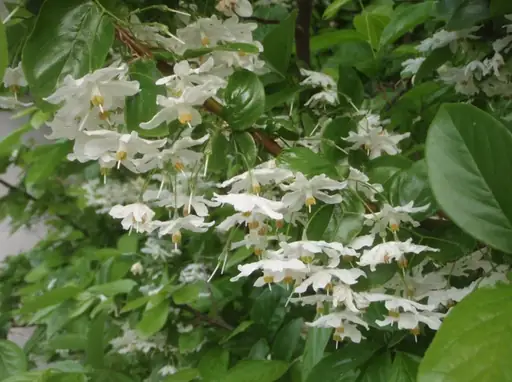
The Seedsun selection
Sinojackia xylocarpa
SKU: SINO-XYLO-01G
Sinojackia xylocarpa is a rare flowering treasure from the hills of eastern China, a deciduous small tree or large shrub that few gardeners have ever met. Known as the jacktree, the species belongs to the storax family, Styracaceae, a close cousin of the snowbells and silverbells, and carries the.
Ask for a tailored quote
Pricing, pack sizes and availability are confirmed in your personal quotation. Sending an enquiry does not place a paid order.
Ask about suitability, sowing and growing requirements.
Confirm delivery options and required documents in your quote.
About this variety
Sinojackia xylocarpa is a rare flowering treasure from the hills of eastern China, a deciduous small tree or large shrub that few gardeners have ever met. Known as the jacktree, the species belongs to the storax family, Styracaceae, a close cousin of the snowbells and silverbells, and carries the same poetry of spring: pendant, bell-shaped white flowers that dangle beneath arching branches like small antique lanterns swaying in a breeze.
The botanical name tells part of the story. Sinojackia joins Sino, for China, with a tribute to John George Jack, the Arnold Arboretum dendrologist, while the species name xylocarpa means woody-fruited, for the distinctive hard, woody fruits that follow the flowers and give the tree a second season of interest. Elliptical, softly toothed leaves emerge fresh and green, spreading with age into a light, elegant canopy that casts dappled shade beneath.
What sets the jacktree apart is not beauty alone but genuine rarity. Once native to a narrow band of Jiangsu Province around Nanjing and Jurong, Sinojackia xylocarpa is now considered extinct in the wild, surviving only in botanic gardens and a handful of cultivated collections. To plant one is to join a small circle of gardeners keeping an all but vanished species alive, a living echo of the story of Franklinia, saved from oblivion by cultivation alone.
In the garden, the jacktree grows slowly and with quiet dignity, eventually reaching ten to twenty feet in height and width. Give fertile, well-drained, evenly moist soil and full sun to part shade, and site the tree where the spring bells can be met at close range: a courtyard, a woodland edge, a specimen lawn, or the heart of a collector's garden. Few small trees marry architectural grace and delicate bloom as this one does, and fewer still carry so rare a story.
Photo courtesy of Jim Robbins.
More to discover



Questions & discussion