

The Seedsun selection
Alniaria alnifolia
SKU: ALNI-ALNI-01G
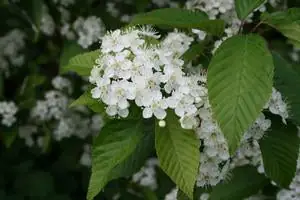
Korean mountain ash is the unusual member of the clan, a deciduous tree from Korea, recently moved by botanists from Sorbus into the genus Alniaria, with simple, finely toothed, alder-like leaves rather than the compound leaves of the familiar mountain ashes. White flower clusters open in May, and.
Ask for a tailored quote
Pricing, pack sizes and availability are confirmed in your personal quotation. Sending an enquiry does not place a paid order.
Ask about suitability, sowing and growing requirements.
Confirm delivery options and required documents in your quote.
About this variety
Korean mountain ash is the unusual member of the clan, a deciduous tree from Korea, recently moved by botanists from Sorbus into the genus Alniaria, with simple, finely toothed, alder-like leaves rather than the compound leaves of the familiar mountain ashes. White flower clusters open in May, and the fall foliage turns warm shades of orange and red.
The show is the fruit. Showy pink to scarlet berries hang in clusters, and Dirr, in his Manual of Woody Landscape Plants, writes that the fruits "can be spectacular and, during a heavy flowering year, it is the equal of any fruiting tree." The berries draw birds, and the spring flowers feed pollinators.
A word of caution for warm-climate gardeners. Mountain ashes are cool-climate plants, and Dirr calls this species only "a possibility for use in the South (Zone 7-B)," adding that "mountainash and heat, particularly high night temperatures, are diametrically opposed." Best, then, in zones 3 to 7, in full sun to part shade and moist, well-drained soil, as a specimen or in a small grove where the flowers, fruit, and fall color can all be enjoyed.
More to discover



Questions & discussion