The Seedsun selection
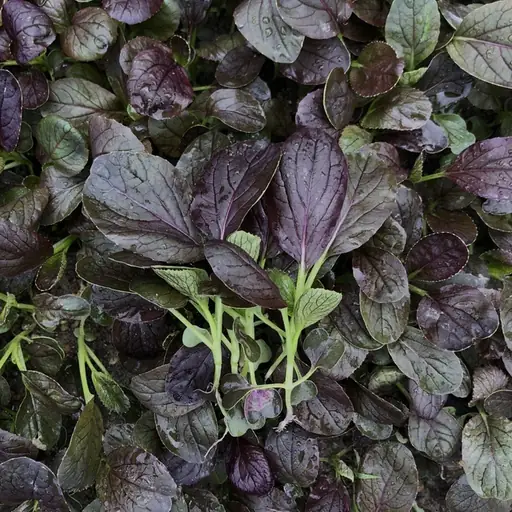
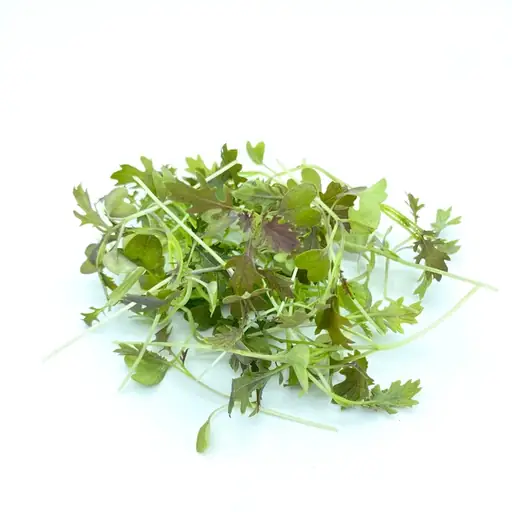
F1 Purple Cabbage 311 Microgreen Seeds for Garden Planting
Ask for a tailored quote

SKU: SLR1-2AC
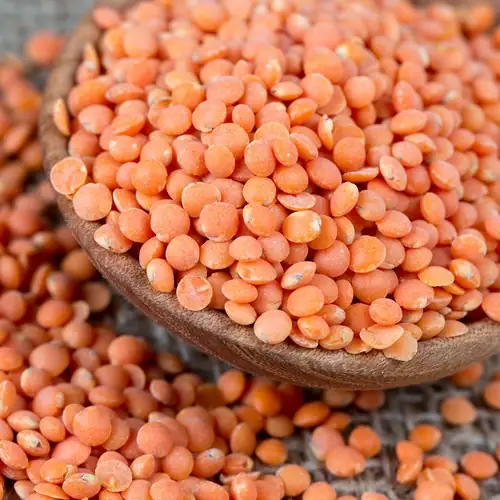
Growing Red Lentil Sprouts and Microgreens at Home Red lentil sprouts and microgreens are nutrient-dense additions to any kitchen garden. Whether you're a seasoned grower or just starting out, these tiny powerhouses deliver big flavor and impressive health benefits in just days. Why Choose Red.
Pricing, pack sizes and availability are confirmed in your personal quotation. Sending an enquiry does not place a paid order.
Red lentil sprouts and microgreens are nutrient-dense additions to any kitchen garden. Whether you're a seasoned grower or just starting out, these tiny powerhouses deliver big flavor and impressive health benefits in just days.
Red lentils are prized for their quick germination and tender texture. They're packed with protein, fiber, and essential minerals, making them ideal for salads, sandwiches, stir-fries, and smoothie bowls. Unlike some seeds that require special equipment, red lentils sprout easily on a basic sprouting tray or jar.
To grow red lentil sprouts, gather these simple supplies: quality red lentil seeds, a sprouting jar or tray, fresh water, and a location with indirect light and good air circulation. Start with high-quality seeds from a trusted source to ensure reliable germination and food safety.
Day 1: Rinse your seeds thoroughly and soak them in cool water for 8–12 hours. Drain completely and spread them evenly on your sprouting tray or jar.
Days 2–4: Rinse and drain your seeds twice daily, morning and evening. Keep them moist but not waterlogged. You'll notice tiny sprouts emerging within 2–3 days.
Days 5–7: Continue rinsing twice daily. Once sprouts reach ¼ to ½ inch in length, place them in indirect light to develop their green color and nutrient profile.
Harvest: When sprouts are ready (typically 5–7 days), rinse thoroughly, drain well, and store in the refrigerator for up to a week.
Keep your sprouting environment cool—between 60–70°F is ideal. Ensure excellent drainage to prevent mold and mildew. If sprouts smell off or show discoloration, discard them immediately. Fresh, quality seeds make all the difference, so invest in seeds grown specifically for sprouting.
Red lentil sprouts are ready to eat raw or lightly cooked. Toss them into salads for a crunchy texture, add them to wraps for extra nutrition, or blend them into soups for a protein boost. With minimal effort and no special skills required, you'll have fresh, homegrown sprouts in just over a week.
Ask for a tailored quote
Ask for a tailored quote
Questions & discussion