

The Seedsun selection
Tagetes lemmonii
SKU: TAGE-LEMM-01G
Copper Canyon daisy is a big, aromatic, autumn-flowering marigold from the mountains of southern Arizona and adjacent northern Mexico, grown as much for the scent as the show. Brush against the finely divided, fern-like foliage and the plant releases a strong, distinctive fragrance, a mix of.
Ask for a tailored quote
Pricing, pack sizes and availability are confirmed in your personal quotation. Sending an enquiry does not place a paid order.
Ask about suitability, sowing and growing requirements.
Confirm delivery options and required documents in your quote.
About this variety
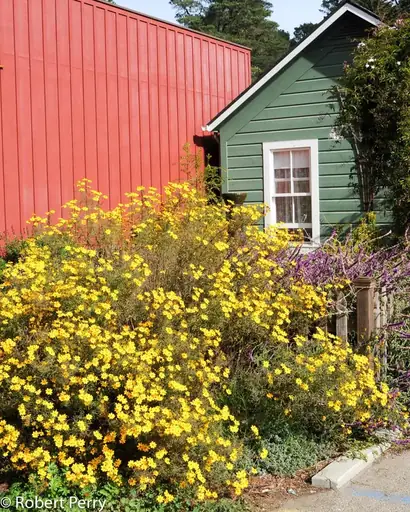
Copper Canyon daisy is a big, aromatic, autumn-flowering marigold from the mountains of southern Arizona and adjacent northern Mexico, grown as much for the scent as the show. Brush against the finely divided, fern-like foliage and the plant releases a strong, distinctive fragrance, a mix of citrus, anise, and marigold that some find intoxicating and others frankly pungent. Tagetes lemmonii builds a soft, shrubby mound three to four feet high and wider still.
The real event comes late. In fall, and on through winter in mild climates, the shrub bursts into a profusion of brilliant golden-yellow, daisy-like flowers just as most of the garden is winding down, a warm blaze of color when little else is blooming. Bees and butterflies work the flowers freely, and the aromatic foliage tends to keep deer and many insect pests at bay.
The species carries a botanist's story in the name. Tagetes lemmonii was documented in the late nineteenth century by John and Sara Lemmon, the pioneering botanist couple who explored the rugged Southwest and Mexican borderlands together, and the plant was named in their honor. In the native range the aromatic leaves and flowers also have a long folk-medicinal life, brewed into a soothing digestive tea and tinctured as a gentle calmative.
Give Copper Canyon daisy full sun and sharp drainage, and the plant asks little else, thriving in the heat and lean soils of a xeric or Mediterranean-style garden. Use the shrub at the back of a dry border, in a pollinator or herb garden, or as a fragrant, deer-resistant filler, and cut back by a third in late winter to keep the mound dense. Where winters turn hard the top may die back, returning with vigor from the root in spring.
More to discover



Questions & discussion