

The Seedsun selection
Taxodium ascendens
SKU: TAXO-ASCE-01G
Pond cypress is the quieter of the two native bald cypresses, a deciduous conifer closely related to the more widespread Taxodium distichum but smaller, tidier, and distinct in leaf. Where bald cypress wears soft, feather-like foliage, pond cypress carries fine, scale-like leaves pressed close and.
Ask for a tailored quote
Pricing, pack sizes and availability are confirmed in your personal quotation. Sending an enquiry does not place a paid order.
Ask about suitability, sowing and growing requirements.
Confirm delivery options and required documents in your quote.
About this variety
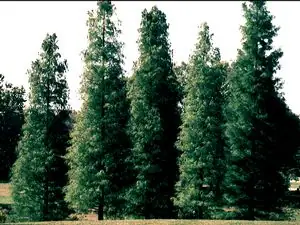
Pond cypress is the quieter of the two native bald cypresses, a deciduous conifer closely related to the more widespread Taxodium distichum but smaller, tidier, and distinct in leaf. Where bald cypress wears soft, feather-like foliage, pond cypress carries fine, scale-like leaves pressed close and ascending along the shoots, giving the young tree a narrow, almost columnar, pyramidal outline.
The name Taxodium means yew-like, for the foliage, and ascendens describes the upright set of those scaly leaves. Pond cypress grows most often in the still, acidic waters of depressional wetlands, ponds, and cypress domes across the southern coastal plain, rather than along the moving rivers that bald cypress favors, and produces fewer of the knobby root knees that make bald cypress famous. Old trees flatten and grow picturesque, and in autumn the foliage turns a warm russet-orange before it falls.
For all the wetland origins, pond cypress is remarkably adaptable, growing well on ordinary upland soil and tough enough to serve as a street or parking-lot tree that few other conifers could match. The narrow young habit suits tight spaces, and the deciduous, fine-textured canopy casts a light, dappled shade that lawn and underplanting can enjoy. A native of the southern United States, and a fine choice for a wet spot, a pondside, or a rain garden.
Give pond cypress full sun to part shade and a moist to wet, acidic soil, though the tree will take average garden ground once established. Site at a pond edge, in a rain garden or low, damp spot, or as a specimen or street tree where a narrow, deciduous conifer is wanted, and pair with other moisture-loving natives. Slow to moderate in growth, long-lived, and all but trouble-free.
More to discover



Questions & discussion