

The Seedsun selection
Tsuga dumosa (yunnanensis)
SKU: TSUG-YUNN-01G
Botanists now file this hemlock under Tsuga dumosa, the Himalayan hemlock, though the tree reached American gardens, and reached us, as Tsuga yunnanensis. The two names describe one tree seen from opposite ends of a very long range: dumosa, meaning bushy, from the Nepalese and Bhutanese end, and.
Ask for a tailored quote
Pricing, pack sizes and availability are confirmed in your personal quotation. Sending an enquiry does not place a paid order.
Ask about suitability, sowing and growing requirements.
Confirm delivery options and required documents in your quote.
About this variety
Botanists now file this hemlock under Tsuga dumosa, the Himalayan hemlock, though the tree reached American gardens, and reached us, as Tsuga yunnanensis. The two names describe one tree seen from opposite ends of a very long range: dumosa, meaning bushy, from the Nepalese and Bhutanese end, and yunnanensis from the Chinese. Kew's Plants of the World Online treats the Yunnan name as a synonym, so the accepted name comes first here and the old one stays in parentheses, because that is the name most people will be searching for.
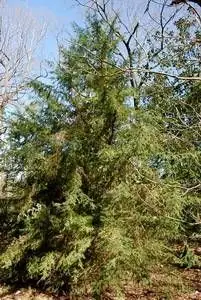
received this hemlock originally from the Arnold Arboretum in Massachusetts. The Arboretum had obtained the tree from China and did not expect the plant to prove hardy that far north. Here in Aiken the story ran the other way. Given a semi-shaded position in the Deep South, the tree settled in and grew into a dark green, graceful pyramid, and has probably been the first nursery in the United States to offer this hemlock to gardeners.
In the wild, Tsuga dumosa holds a long belt of the eastern Himalaya, running from Nepal through Bhutan and northeastern India into Myanmar, Tibet and Yunnan, mostly between about 8,500 and 10,500 feet, in cool cloud forest with heavy rainfall and constant humidity. Trees there reach 65 to 80 feet and occasionally a good deal more. In a Southern garden expect something more modest, closer to thirty or forty feet over many years, with slender drooping branchlets and glossy deep green needles laid out in flat sprays.
Across the Himalaya the wood has long been split into shingles and used, with the bark, for roofing houses, and worked for construction and furniture. Indian foresters rank the timber below several other Himalayan conifers, which is faint praise for a tree that roofs villages. The bark is rich in tannin and has been used in dyeing. None of that is why anyone plants a hemlock in Carolina, but the tree carries a working life in another part of the world, and that is worth knowing.
This is the plant for gardeners who have wanted a hemlock and watched our native Tsuga canadensis sulk and decline in Southern heat. Give the tree high shade or a half day of morning sun, moist but well drained acidic soil, shelter from hot dry wind, and room to build a pyramid. Underplant with Illicium, Danae racemosa, or hardy ferns, and site the specimen where late light can catch the drooping branch tips.
More to discover



Questions & discussion