

The Seedsun selection
Vaccinium myrsinites
SKU: VACC-MYRS-01G
Shiny blueberry is the little evergreen groundcover blueberry of the Southern Coastal Plain, a low, dense native rarely more than knee-high, spreading gently by rhizome into a fine, glossy-leaved mat. The species name myrsinites likens the small, lustrous leaves to those of myrtle, and the common.
Ask for a tailored quote
Pricing, pack sizes and availability are confirmed in your personal quotation. Sending an enquiry does not place a paid order.
Ask about suitability, sowing and growing requirements.
Confirm delivery options and required documents in your quote.
About this variety
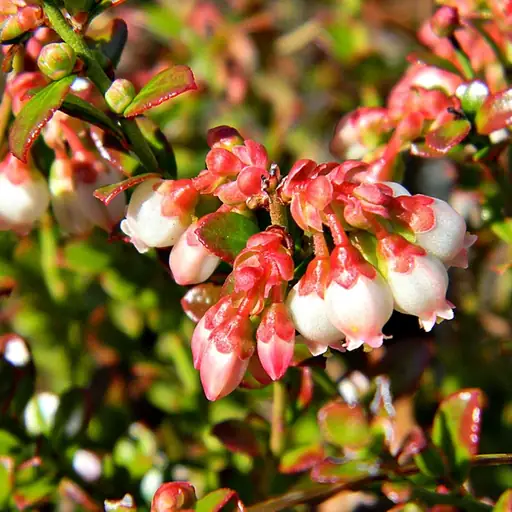
Shiny blueberry is the little evergreen groundcover blueberry of the Southern Coastal Plain, a low, dense native rarely more than knee-high, spreading gently by rhizome into a fine, glossy-leaved mat. The species name myrsinites likens the small, lustrous leaves to those of myrtle, and the common name shiny blueberry says the same: the whole plant catches light on foliage barely an inch long.
In early spring, clusters of small, waxy, white to pink, bell-shaped flowers stud the low mounds, mildly fragrant and busy with bees, and give way to small, glossy, dark blue berries. The fruit is modest in size but flavorful, sweet enough for fresh eating, jams, and baked goods, and as welcome to birds and other wildlife as to the gardener.
Native across the Coastal Plain from the Carolinas through Florida and west along the Gulf, shiny blueberry grows in pine flatwoods and sandy scrub on lean, acid ground, an easy, fire-adapted survivor of hot, sandy country. That toughness makes the plant a natural for a naturalistic garden, a native or pollinator planting, or a restoration bed.
Grow shiny blueberry in well-drained, sandy, acid soil in full sun or part shade, and use the low, dense mounds as a native groundcover, an edging, or a fine-textured filler that gives structure, spring bloom, and edible fruit at once. Pair with wiregrass, other pineland natives, and taller blueberries for a layered, wildlife-friendly planting. Photo courtesy of Bob Peterson.
More to discover



Questions & discussion