

The Seedsun selection
Viburnum obovatum 'Compactum'
SKU: VIBU-OBOV-COMP-01G
Walter's viburnum is one of the finest small evergreens of the Southern coastal plain, a fine-textured native named for Thomas Walter, the eighteenth-century Carolina planter and botanist who first described the species in his Flora Caroliniana. The botanical name obovatum points to the little.
Ask for a tailored quote
Pricing, pack sizes and availability are confirmed in your personal quotation. Sending an enquiry does not place a paid order.
Ask about suitability, sowing and growing requirements.
Confirm delivery options and required documents in your quote.
About this variety
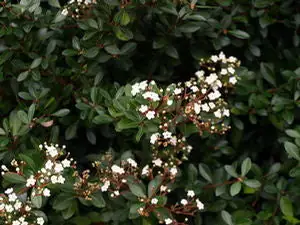
Walter's viburnum is one of the finest small evergreens of the Southern coastal plain, a fine-textured native named for Thomas Walter, the eighteenth-century Carolina planter and botanist who first described the species in his Flora Caroliniana. The botanical name obovatum points to the little obovate leaves, broadest toward the tip, and 'Compactum' gathers all of that into a low, rounded, mounding form densely set with small leaves and smothered in white flowers each spring.
One of several increasingly popular dwarf selections of a fine species, this clone is grown at the JC Raulston Arboretum of North Carolina State University and may well be the same plant as 'Densa'. Whatever the name, the effect is a tidy evergreen bun two to three feet high and wide, neat enough for the front of a bed and generous with bloom.
In spring the small flat cymes of white flowers cover the shrub and feed early pollinators, followed by small fruit that ripens red to black for the birds. Use 'Compactum' as a low evergreen edging, a foundation plant, a small hedge, or a fine-textured filler in a native or pollinator planting, in sun or semi-shade and well-drained, moist to wet soil.
The plant comes from the Florida plantsman and nurseryman Steve Riefler, who has introduced this and several other dwarf forms of Walter's viburnum, among them 'Whorled Class' and 'Miss Schiller's Delight'. Give the shrub a bright spot and steady moisture, and enjoy a compact, evergreen native that brings structure and spring bloom to the smallest garden.
More to discover



Questions & discussion