

The Seedsun selection
Wisteria frutescens 'Nivea'
SKU: WIST-FRUT-VAR-NIVE-01G
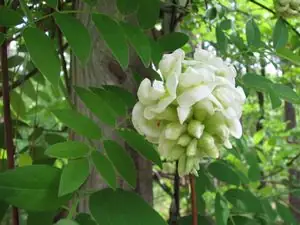
A rare white form of the well-behaved native. Wisteria frutescens 'Nivea' is a twining, woody, deciduous vine with compound leaves and short clusters of pure white flowers that open with the foliage, far less rampant than the common Asian wisterias and, in white, a genuine rarity. This form was.
Ask for a tailored quote
Pricing, pack sizes and availability are confirmed in your personal quotation. Sending an enquiry does not place a paid order.
Ask about suitability, sowing and growing requirements.
Confirm delivery options and required documents in your quote.
About this variety
A rare white form of the well-behaved native. Wisteria frutescens 'Nivea' is a twining, woody, deciduous vine with compound leaves and short clusters of pure white flowers that open with the foliage, far less rampant than the common Asian wisterias and, in white, a genuine rarity. This form was virtually unknown to American gardeners until brought the plant into the trade. It has long been listed, here and elsewhere, as Wisteria frutescens var. nivea; the botanical variety has no standing in the current literature, so we now carry it under the cultivar name it has earned.
The white American wisteria came to from the Henry Foundation in Gladwyne, Pennsylvania, where the plant had been grown for many years after the botanist and plantswoman Mary Henry collected the original somewhere in the South. A quiet piece of horticultural history, passed hand to hand into cultivation.
Like the blue American wisteria, 'Nivea' carries the great virtue of the native: restraint. The vine twines a trellis or arbor without the decades-long campaign of the Chinese and Japanese kinds, and the white racemes bring a cool, luminous version of the wisteria romance.
Tolerant of varying conditions but happiest in a sunny spot with ample moisture, the white American wisteria suits an arbor, a pergola, or a strong trellis. Give a sturdy support and full sun for the heaviest bloom. Like the rest of the American group, 'Nivea' flowers on new wood, on the current season's growth, so prune in late winter while the vine is dormant and cut back as hard as the situation calls for. The coming bloom is made after the cut, not before it. A rare and lovely native for the collector.
More to discover



Questions & discussion