
Tomato Seeds Compared: San Marzano, Roma VF and Red Robin
Compare documented fruit size, growth habit and transplant-to-maturity estimates to choose tomato seeds for sauce-making, preserving or a compact container.
Comparison method: This selection guide compares the product information recorded in the Seedsun catalogue. It is not a hands-on growing trial. The dimensions and maturity estimates below are documented variety descriptions; we have not independently measured yield, germination or flavour.
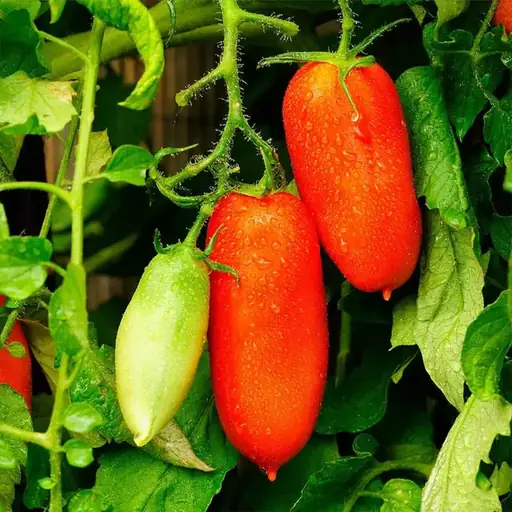
Cover photograph: San Marzano, one of the three varieties discussed.
Choose the crop you want to use
A tomato for a batch of sauce and a tomato for a small patio container solve different problems. Begin with fruit type, plant habit and your intended harvest. These three entries provide a useful contrast: two plum tomatoes described for cooking, and a miniature cherry tomato described for containers. None is a universal replacement for the others.
| Variety | Documented habit and fruit | Maturity estimate |
|---|---|---|
| San Marzano | Indeterminate; plum fruit, 4½–5 ounces | 95 days from transplant |
| Roma VF | Determinate; red, egg-shaped fruit, about 2 ounces | 80 days from transplant |
| Red Robin | Determinate, miniature and semi-weeping; round cherry fruit about 1 inch across | 55 days from transplant |
San Marzano: a larger plum tomato
The San Marzano entry describes an indeterminate plant producing plum tomatoes of approximately 4½–5 ounces. It specifically identifies saucing as a use and describes the flesh as meaty. That makes it a sensible candidate to investigate when plum fruit is central to your cooking plan. Its stated 95-day interval is the longest of these three transplant-based estimates. The record also describes fruit setting through summer, a different harvest pattern from the concentrated crop described for Roma VF.
Roma VF: plan around a concentrated harvest
Roma VF is described as a determinate tomato, approximately 36–48 inches tall, with a concentrated harvest window. Its red, egg-shaped fruit is listed at about 3 inches long and 2 ounces. The description emphasises relatively low moisture and uses such as sauce, paste and preserving. For someone planning a focused processing session, that combination offers a clearer reason to consider it than a broad claim that one tomato is simply better. Whether the harvest fits your kitchen schedule still depends on your actual growing conditions.
Red Robin: compare it as a container cherry
The Red Robin record describes a genuinely miniature, semi-weeping plant for containers and hanging baskets. Its round fruit is about 1 inch in diameter. The recorded maturity estimate is 55 days from transplant, and the description identifies a concentrated crop. This is the distinct small-space option in the comparison. Its small cherry fruit also makes it a different ingredient from the larger plum tomatoes above; an early date alone is not a reason to substitute it for a planned sauce crop.
Use the dates on a consistent basis
All three selected records count maturity from transplanting, not from sowing. Keep the seed-starting period separate when drawing up a calendar. The quoted estimates support planning, rather than a promise of harvest on a particular date. Before requesting seed, confirm the exact variety, quantity and intended planting period. Choose San Marzano for its documented plum-fruit profile, investigate Roma VF for concentrated processing harvests, and consider Red Robin when a miniature container plant is the priority.

Questions & discussion