

此页面以其原始语言显示,暂无翻译版本。
Seedsun 精选
Iris fulva
SKU: IRIS-FULV-01G
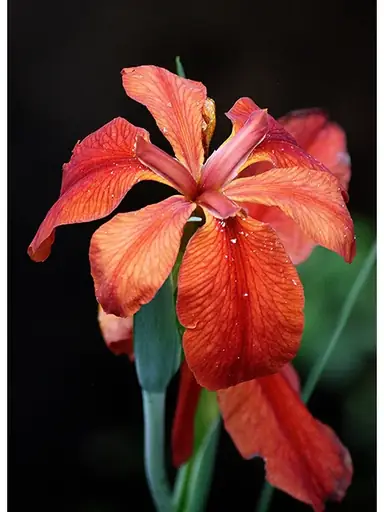
Among the wild irises of North America, Iris fulva is the one that broke the color rules. Where the family runs to blues, purples, and yellows, the copper iris opens in warm coppery red to burnt orange, a shade no other native iris offers, carried on slender stems in late spring and early summer.
索取定制报价
价格、包装规格和供货情况将在您的专属报价单中确认。发送询价并不代表您已下单付款。
询问其适宜性、播种和生长要求。
请在报价单中确认送货方式和所需文件。
品种介绍
Among the wild irises of North America, Iris fulva is the one that broke the color rules. Where the family runs to blues, purples, and yellows, the copper iris opens in warm coppery red to burnt orange, a shade no other native iris offers, carried on slender stems in late spring and early summer with a soft, slightly drooping poise. The Latin fulva, meaning tawny or reddish-brown, records that unusual color, and the common names, copper iris and red iris, say the same thing more plainly.
First described in the early nineteenth century, Iris fulva belongs to the small group of five species known as the Louisiana irises, native to the swamps, ditches, and floodplains of the Deep South and the lower Mississippi valley, from Louisiana north to southeastern Missouri and southern Illinois. That singular red pigment made the copper iris invaluable to plant breeders, since crossing the species into the other Louisiana irises is how red and copper first entered the modern hybrids. One of the earliest such crosses, W. R. Dykes's 'Fulvala', paired the copper iris with the blue Iris brevicaulis and helped launch the whole hybrid race.
The color is not for show alone. Unlike most irises, which court bees, Iris fulva is pollinated chiefly by hummingbirds, and the ruby-throated hummingbird works the red flowers for nectar as the blooms open in early summer. That partnership ties the plant to the seasonal rhythm of the southern wetlands, where the copper iris grows in ground that floods and recedes with the year. Those same wetlands are now much reduced by drainage and development, so the wild populations have thinned, and growing a nursery-raised plant is a small way of keeping a diminishing native in cultivation.
In the garden the copper iris asks for the wet feet most perennials refuse, thriving at a pond or stream edge, in a rain garden, in a bog bed, or in any sunny to lightly shaded border kept reliably moist, and taking even standing water in stride. The two to three foot stems rise well above the fans of sword-shaped leaves, so the coppery flowers read from a distance and draw hummingbirds close. Pair the plant with other moisture lovers such as Louisiana iris hybrids, swamp hibiscus, canna, and native sedges, mass a few for the fullest effect, and divide the rhizomes every few years to keep a colony vigorous.
您可能也感兴趣



问题与讨论