

此頁面以其原始語言顯示,暫無翻譯版本。
Seedsun 精選
Cestrum elegans
SKU: CEST-ELEG-01G
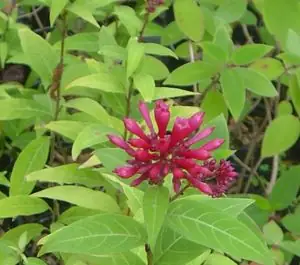
Cestrum elegans is an erect to arching shrub carrying dense terminal clusters of narrow tubular flowers in a deep crimson that reads as reddish purple in some lights. Bloom arrives late in the growing season and continues until frost, which is precisely when a border needs something, and the shape.
索取客製報價
價格、包裝規格和供貨情況將在您的專屬報價單中確認。發送詢價並不代表您已下單付款。
詢問其適宜性、播種和生長要求。
請在報價單中確認送貨方式和所需文件。
品種介紹
Cestrum elegans is an erect to arching shrub carrying dense terminal clusters of narrow tubular flowers in a deep crimson that reads as reddish purple in some lights. Bloom arrives late in the growing season and continues until frost, which is precisely when a border needs something, and the shape of those flowers tells you who they are for: hummingbirds work them relentlessly. In the tropics the plants build into a woody shrub of seven feet and more. In zone eight the top freezes off each winter and returns from the root the following spring, reaching three to six feet in a season, which makes this behave less like a shrub and more like a very large perennial.
Henri Guillaume Galeotti collected the species at Lake Chapala in Mexico in 1837, and plants reached European gardens by 1840, where the crimson flowers made an immediate impression on a horticultural world already saturated with new Mexican introductions. Cestrum is borrowed from kestron, a Greek plant name used by Dioscorides for something else entirely, and elegans means what you would expect. The older name Cestrum purpureum still turns up in nursery lists, and "bastard jasmine" persists as a common name from the days when almost any tubular-flowered shrub got called a jasmine.
The family is Solanaceae, the nightshades, and that heritage should be respected: every part of the plant is poisonous if eaten, and livestock deaths have been recorded where cattle have browsed the foliage. The same vigor that makes Cestrum elegans such a generous garden plant has caused real trouble elsewhere. Escaped populations are listed as significant weeds in parts of Australia, New Zealand, and southern Africa, spread by birds taking the berries. Gardeners in the Southeast can grow the species with a clear conscience, since annual winter dieback keeps the plants in check here, but anyone gardening in a frost-free climate should think carefully first.
Rich soil, ample water, and hot summers are the whole recipe; treat this as a plant that wants to be fed and watered rather than toughened up. Full sun to part shade suits. The overwintering protocol we have used for years in Aiken is worth following at the cold edge of the range: after frost kills the tops, cut the stems back, mound about ten inches of coarse sand over the stubs, and mulch over that with pine straw. As the weather warms in spring, pull the covering away so the new shoots can come through cleanly. Handsome on a patio, beside a pool, in a mixed border, or anchoring a subtropical planting alongside Salvia guaranitica, Tecoma stans, cannas, and the tender salvias.
您可能也感興趣



問題與討論